



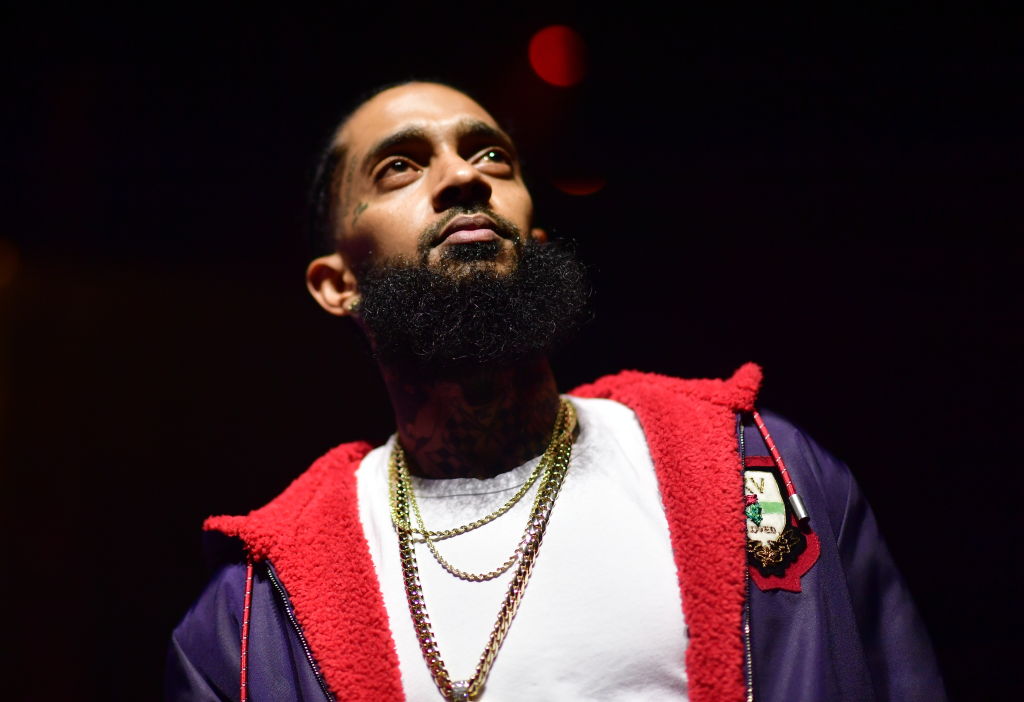
Nipsey Hussle’s Children Receive $11 Million Inheritance
 5562
5562  55
55 The estate of late rapper Nipsey Hussle has officially distributed assets to his two children, according to newly filed probate records. This development marks a significant milestone in the administration of the artist’s estate, occurring more than six years after his tragic passing.
Court filings reveal that Nipsey Hussle’s daughter, Emani, 17, and his son, Kross, 9, have each received a 50% share of the estate. The distribution consists of a combination of cash and various property holdings. While the exact value of these distributions remains under seal, the estate has previously been estimated at approximately $11 million, making this a substantial inheritance for the rapper’s heirs.
The probate estate has been managed by the rapper’s brother, Blacc Sam, since Nipsey Hussle, born Ermias Asghedom, was fatally shot in March 2019. These distributions follow the resolution of a long-running probate dispute involving Emani’s mother, Tanisha Foster. The litigation, which centered on guardianship issues and estate administration, was resolved in 2025, clearing the path for the final distribution of assets.
According to the filings, Lauren London, Nipsey Hussle’s longtime partner and the mother of Kross, has executed the necessary documentation to acknowledge the receipt of funds distributed on behalf of their son.
The assets transferred to the children include cash, a 2012 Chevrolet Suburban, and ownership interests in several business entities. Notably, this includes The Marathon Clothing and various intellectual property rights associated with trademarks owned by the estate. These assets are vital for preserving the commercial legacy that continues to generate revenue in the years following the rapper’s death.
While the probate filings do not disclose the precise monetary value allocated to either beneficiary due to privacy seals, they clearly identify the categories of assets conveyed. This latest step represents a substantial move toward concluding the administration of the estate, with no further hearings currently scheduled in the public record.