



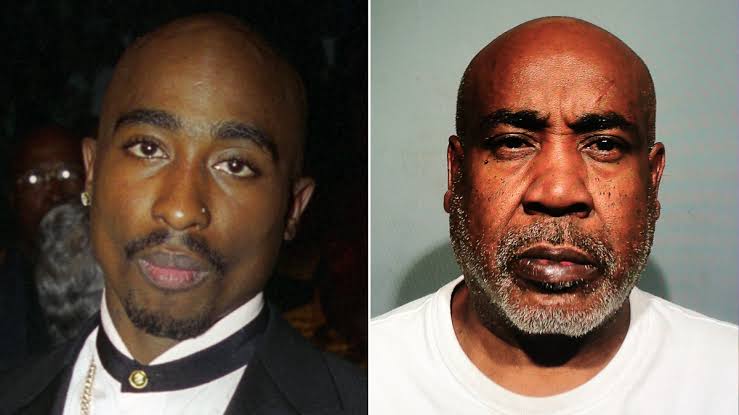
Duane ‘Keefe D’ Davis Found Guilty in Tupac Shakur Murder Case
 2820
2820  61
61 Duane ‘Keefe D’ Davis has been found guilty of orchestrating the murder of Tupac Shakur, marking a historic conclusion to one of the most enduring cold cases in hip-hop history. The verdict arrives nearly thirty years after the legendary rapper was fatally shot in Las Vegas, bringing a sense of finality to a tragedy that has haunted the music industry since September 1996.
Shakur was gunned down in a drive-by shooting following a high-profile boxing match between Mike Tyson and Bruce Seldon. For decades, the investigation remained stalled despite intense public interest and endless speculation. The breakthrough in the case came after Davis himself began discussing his involvement in various media interviews, describing the act as retaliation for a confrontation involving his nephew, Orlando “Baby Lane” Anderson, and Death Row Records executive Suge Knight at the MGM Grand casino.
The Trial and Evidence
Following a rigorous two-week trial, the jury deliberated for three hours before delivering a guilty verdict for murder with a deadly weapon. Prosecutors, led by Chief Deputy District Attorney Binu Palal, argued that Davis “went hunting” for the victims after arming himself. While the defense contended that the prosecution lacked direct physical evidence—such as surveillance footage or phone records—to place Davis at the scene, the jury ultimately sided with the state’s narrative.
The prosecution’s case was bolstered by evidence including a scrapbook belonging to Davis, which contained clippings detailing the rivalry between the South Side Compton Crips and Mob Piru. This rivalry, which pitted members of Death Row Records against Bad Boy Records, served as the backdrop for the violence that claimed Shakur’s life. Despite Davis’ shifting accounts over the years, his consistent admission of being in the white Cadillac from which the shots were fired proved pivotal.
As the legal proceedings conclude, the conviction of the 63-year-old Davis stands as a significant moment in music history, finally providing a judicial resolution to the death of one of the most influential figures in hip-hop.