



Travis Scott Praises Spotify’s Innovative SongDNA Feature
 5768
5768  57
57 For many hip-hop enthusiasts, the thrill of discovering a sample is often followed by the frustration of an endless search to identify its origin. That mystery has finally been addressed with the introduction of Spotify’s SongDNA feature, a tool that has already earned high praise from industry heavyweights, including Travis Scott.
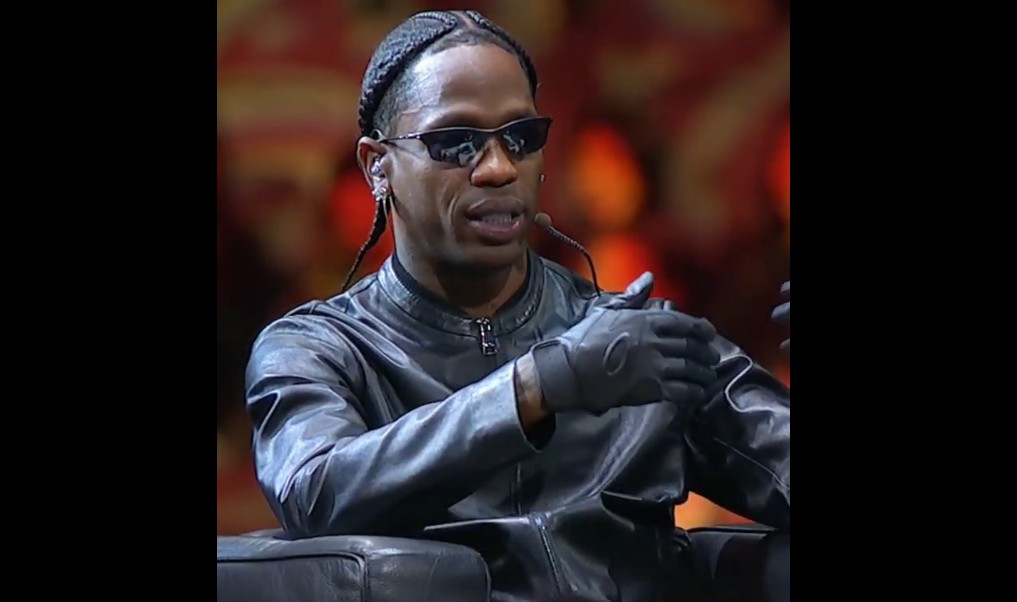
In a recent discussion, Scott expressed his genuine excitement for the feature, which allows listeners to peel back the layers of a track to reveal its musical lineage. By providing deep insights into a song’s DNA, the platform helps users identify the original samples, writers, composers, and producers behind their favorite records. For artists and producers, this transparency is a game-changer, offering a clearer view of the inspirations and innovations that shape modern music.
“I saw Song DNA on Spotify last night,” Scott remarked during his recent appearance. “By the way, this sh*t is f*****g crazy.” He emphasized that the tool is not only a source of discovery for fans but also a valuable resource for artists looking to understand the collaborative landscape of the industry.
To illustrate the utility of the feature, consider the connections it draws for Scott’s own discography. For instance, the track “Hyaena” samples Funkadelic’s “Maggot Brain,” effectively linking Scott to George Clinton, as well as frequent collaborators like Mike Dean and WondaGurl. The tool even bridges gaps between seemingly unrelated artists; it reveals that both Scott and Justin Bieber have utilized samples from Melvin Bliss’ 1973 classic “Synthetic Substitution.”
This level of connectivity encourages a deeper, more immersive sonic exploration. Whether you are a casual listener looking to expand your library or a producer seeking inspiration, the SongDNA feature provides a seamless way to navigate the history of music. As the industry continues to evolve, tools that foster this kind of transparency are becoming essential for the modern listening experience.