



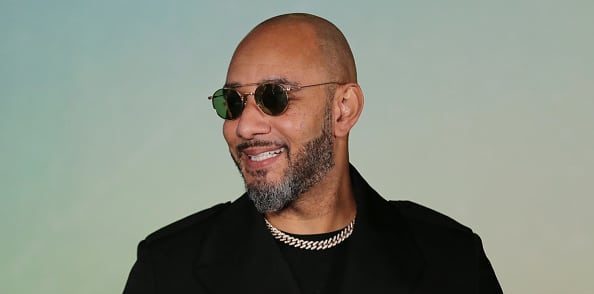
Swizz Beatz Sues North Carolina Nightclub Over Unpaid DMX Royalties
 6901
6901  68
68 Hip-hop producer Swizz Beatz and a coalition of music publishers have initiated legal action against a North Carolina entertainment venue in federal court. The lawsuit alleges that the establishment, BoatYard Lake Norman, and its owner, Chris Boukedes, have repeatedly performed copyrighted musical works without securing the necessary licenses required under federal copyright law.
At the heart of the dispute is the iconic DMX track “Party Up (Up in Here),” a chart-topping single co-written by Swizz Beatz. According to the complaint filed in the U.S. District Court for the Western District of North Carolina, the venue continued to play protected compositions despite years of outreach and formal licensing offers from the American Society of Composers, Authors and Publishers (ASCAP).
The legal filing details that ASCAP representatives made numerous attempts to resolve the matter through telephone calls, emails, and mailed correspondence. The organization asserts that these efforts were met with refusal, as the defendants allegedly ignored license offers while continuing to host performances of works within the ASCAP repertory.
Copyright Enforcement and Industry Impact
The lawsuit extends beyond the DMX hit, citing other protected works such as “Jump Around,” “Party All the Time,” and “Shut Up and Dance.” Major industry entities, including Universal Music Corp., have joined the action as plaintiffs to protect the rights of the songwriters, composers, and publishers who are being deprived of performance royalties.
ASCAP Executive Vice President of Licensing, Stephanie Ruyle, addressed the broader implications of the case in a statement: “Each of the establishments sued today has chosen to infringe upon the hard work of songwriters instead of licensing the music they play, despite repeated notifications and opportunities to do so.”
The plaintiffs are seeking up to $30,000 in statutory damages per infringement, alongside requests for injunctive relief to prevent further unauthorized use of their intellectual property. This case serves as part of a wider wave of copyright enforcement actions currently being pursued by ASCAP-affiliated creators across the United States.