



Blueface Makes Controversial Comments About NLE Choppa
 5562
5562  55
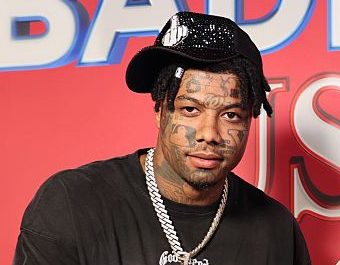
55 A long-running dispute between Blueface and NLE Choppa resurfaced this month following the release of Choppa’s new track, “Shotta Flow 8.” The song, released earlier in September, was widely interpreted as containing indirect references to Blueface. Soon after, Blueface responded on Instagram with a series of images accompanied by a blunt caption. “I can’t beef with no man getting his booty ate; somebody get the baby oil, we finna play with his nipples,” he wrote, without further context.
The post followed a recent livestream in which Blueface addressed Choppa while reacting to online content involving the mother of Choppa’s child. During the broadcast, Blueface suggested that the ongoing tension served to keep his counterpart in public conversation. He also indicated that he intended to respond if the situation continued. The remarks reinforced the public nature of a dispute that has repeatedly moved between music and social media.
Listeners quickly focused on a verse from “Shotta Flow 8” that appeared to allude to the rivalry: “Who want the smoke? You come and you dead / Lil bro Crip, but he see red.” Though the lyrics did not identify a specific target, they were read by many as part of the ongoing exchange. Such indirect messaging has become a familiar device in contemporary rap conflicts.
NLE Choppa later addressed the situation in a video that circulated widely online. “Y’all talking about Chop having an identity crisis. Have y’all seen this n***a’s face?” he said, before criticizing Blueface’s artistic direction. He went on to suggest that the focus on image outweighed creative growth, calling the approach “pitiful.” The comments added to the back-and-forth without signaling any effort to de-escalate.
The latest exchange reflects a pattern that has developed over several years. Previous episodes between the two artists have included talk of a boxing match, highlighting how their disagreements have extended beyond recorded music. Both have also engaged in public disputes with other artists, contributing to a broader culture of visible rivalry.