



Bad Bunny Tops Super Bowl Halftime Viewership Record
 5356
5356  53
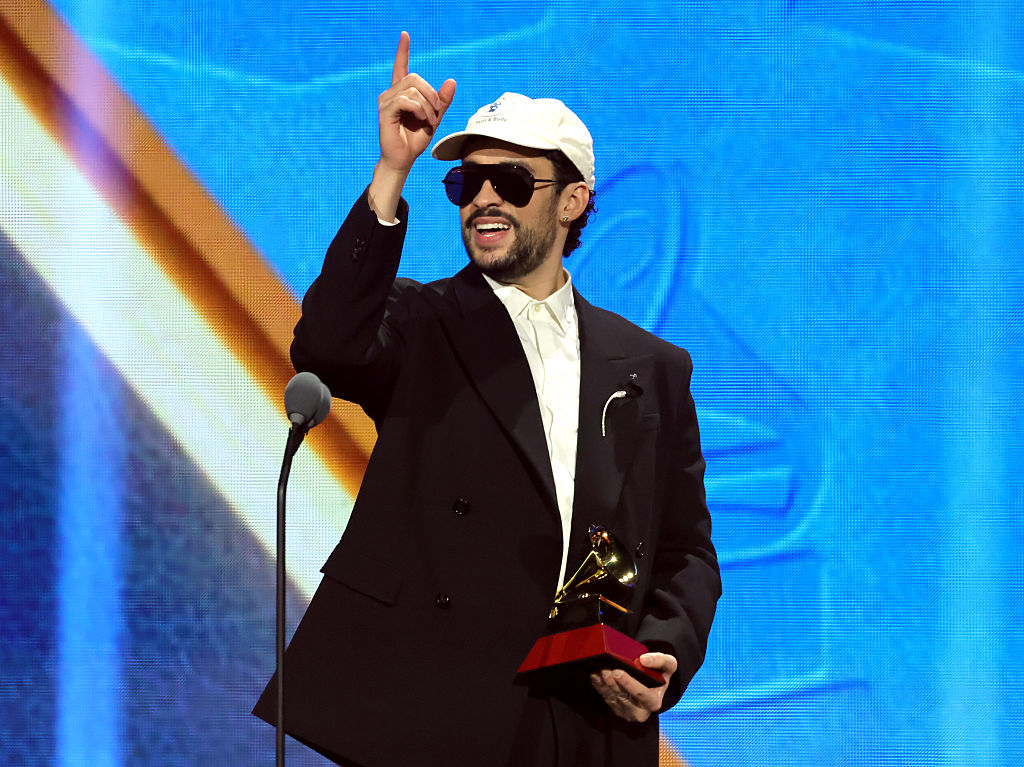
53 Bad Bunny reached a new benchmark on Sunday night when his Super Bowl halftime show drew the largest audience in the event’s history. Nielsen figures put the viewership at 135.4 million, edging past the record set last year by Kendrick Lamar. Michael Jackson’s 1993 performance, long cited as a high-water mark, drew 133.4 million viewers. The numbers reflected the artist’s broad appeal across audiences.
The set featured several of Bad Bunny’s best-known songs, including “Nueva Yol,” “Yo Perreo Sola,” and “Tití Me Preguntó.” The production leaned heavily on Puerto Rican influences, both in sound and staging. Guest appearances were woven throughout the performance rather than treated as headline moments. Lady Gaga joined him for “Die With a Smile,” while Ricky Martin appeared for “Lo Que Pasó a Hawaii.”
Other familiar faces, including Cardi B, Alix Earle, Pedro Pascal, and Jessica Alba, appeared during the broadcast. The show emphasized movement and scale, favoring energy over narrative. Reaction online was immediate, with clips circulating widely across platforms. The audience response translated into record viewership.
A Halftime Show That Sparked Debate
Criticism followed alongside praise. President Donald Trump posted on Truth Social, calling the performance an “affront to the greatness of America.” He described the show as unclear and inappropriate for younger viewers. Around the same time, Turning Point USA promoted an alternative “All-American” halftime event featuring Kid Rock, Brantley Gilbert, Lee Brice, and Gabby Barrett.
After the broadcast, Chris Brown added his own commentary online, suggesting the NFL should consider him for a future halftime show. His post implied he could offer a different kind of performance. The comment circulated briefly but drew no response from the league. The NFL has not announced plans for next year’s show.
The reaction to Bad Bunny’s halftime appearance reflected how closely the event now intersects with broader cultural conversations. Record viewership suggested sustained interest, even as opinions varied. Halftime shows have become touchstones that extend well beyond football. This year’s performance underscored that role.